Imagine stepping into a garden where nature greets architecture, where every blooming flower adds softness to solid stone pathways. This is the harmony of softscaping and hardscaping.
Landscaping is more than planting a few flowers or adding a patio it’s about designing a space that feels alive yet structured. A place where the textures, colors, and elements work together to create an environment that’s both beautiful and functional. To achieve this balance, two crucial components come into play: softscaping and hardscaping.
But what exactly are these terms, and why do they matter? Let’s dive into a richer understanding of both so you can make informed decisions about your outdoor space, whether personal or commercial.
What is Softscaping?
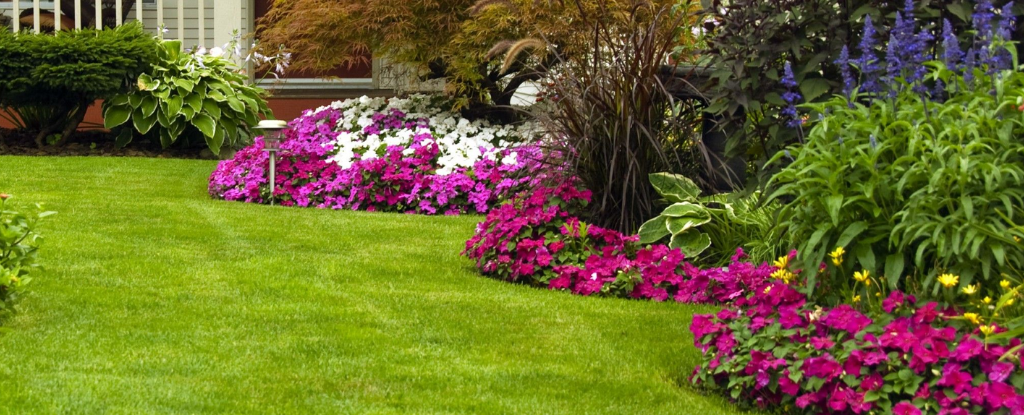
Softscaping refers to all the living elements in a landscape. Think plants, flowers, lawns, trees, shrubs, vines, and even soil. These are the dynamic elements that breathe life into the structure of your outdoor design.
Key Elements of Softscaping
- Lawns and grass beds
- Flower beds and ground covers
- Shrubs and hedges
- Trees and vines
- Organic mulch and living soil
Softscaping is full of movement and transformation. Seasons change, flowers bloom and fade, grass grows and needs mowing. This dynamic aspect brings charm but also requires ongoing care. It adds texture, color, and depth to a design, and, more importantly, helps the space feel alive and welcoming.
Softscaping services in Bangalore, especially in urban settings, are increasingly focused on blending modern architecture with native plants to create sustainable, lush environments that require less water and maintenance over time.
What is Hardscaping?
Hardscaping refers to the non-living, structural elements present in a landscape. These include pathways, patios, decks, retaining walls, fire pits, pergolas, driveways, and water features.
Examples of Hardscape Elements
- Paved walkways and driveways
- Retaining walls
- Stone patios and seating areas
- Fountains and ponds
- Wooden decks and gazebos
Hardscaping adds functionality and structure. It lets you navigate the space, gives visual definition, and creates zones where people can relax, entertain, or move around. It’s low maintenance compared to softscaping, yet, when designed poorly, it can make spaces feel cold or too rigid.
Softscape vs Hardscape: A Simple Comparison
| Feature | Softscaping | Hardscaping |
| Elements | Plants, turf, soil, shrubs | Stone, concrete, wood, metal |
| Nature | Dynamic, seasonal | Permanent, static |
| Purpose | Visual appeal, environmental benefits | Functionality, usability |
| Maintenance | Continuous (watering, pruning) | Low-maintenance (cleaning/sealing) |
| Emotional Value | Warm, natural, vibrant | Structured, solid, grounded |
Why You Need Both: Creating Outdoor Harmony
A well-designed landscape isn’t just about one or the other, it’s about the synergy between both. Imagine a garden without pathways and seating or a patio surrounded only by concrete. Balance is key.
The Perfect Pairing
- A stone pathway lined with soft grass
- A wooden deck beneath a canopy of flowering vines
- A fire pit surrounded by greenery for contrast and comfort
Softscaping softens the rigidity of hardscaping and vice versa. Together, they create a balance of emotion and structure a combination that soothes, inspires, and supports everyday life.
And that’s precisely where expert brands like Green World Design come in. With years of expertise in shaping spaces, they understand how to balance elements in a way that’s both aesthetically pleasing and highly functional. There are many brands offering landscaping solutions, but Green World Design tailors every project to the personality of the space using a thoughtful blend of softscaping and hardscaping services, including popular offerings like Softscape lawn services to bring your vision to life.
Cost & Maintenance: What to Expect
- Softscaping typically requires continuous investment—watering, trimming, replacing plants, and seasonal care.
- Hardscaping involves higher initial costs but is durable and often maintenance-free for years.
If you’re on a budget, starting with hardscaping provides a solid foundation. You can then gradually bring in the soft elements to make the space feel lush and warm.
Environmental and Practical Benefits
- Softscaping improves air quality, absorbs heat, supports biodiversity, and helps with water absorption.
- Hardscaping prevents erosion, manages foot traffic, creates outdoor living areas, and can include rainwater management features like permeable pavers.
Together, they allow you to create a sustainable system where plants thrive among well-designed structures, and the environment benefits from the thought you’ve put into your layout.
Softscaping and Hardscaping Tips
- Plan your hardscaping first since it lays the foundation.
- Choose native plants for low-maintenance softscapes.
- Ensure proper drainage when constructing patios or stone paths.
- Use a mix of textures: combine pebbles with greenery or wood with bushy shrubs.
- Install lighting to highlight both natural and structural elements in the evening.
Final Thoughts
In the world of landscaping, softscaping and hardscaping are not rivals, they’re partners. Together, they bring balance, usability, and emotion to any space. An ideal outdoor design merges the discipline of hard elements with the freedom of plant life, creating an environment that feels alive but structured.
Whether you’re designing a private backyard or a commercial outdoor area, invest wisely. Think long-term, think purposefully. And if you’re looking for a trusted partner to guide your landscaping journey, Green World Design offers well-rounded expertise in both Softscape lawn services and structural hardscaping to bring your space to life—naturally and beautifully.