Introduction
In today’s world of concrete jungles and rising temperatures, the need for greener spaces has never been more important. Softscaping, the art of incorporating live elements like plants, lawns, trees, and shrubs into your landscape, plays a crucial role in enhancing environmental health. While aesthetics often get the spotlight, the real magic of softscaping lies in its ability to cool your surroundings and purify the air you breathe.
Whether you’re planning a residential garden or a commercial outdoor space, understanding the benefits of softscaping can help you build a healthier, more enjoyable environment. Let’s dive into how softscaping contributes to improved air quality and helps tackle urban heat, while creating serene spaces where nature thrives.
1. What is Softscaping and Why Does It Matter?
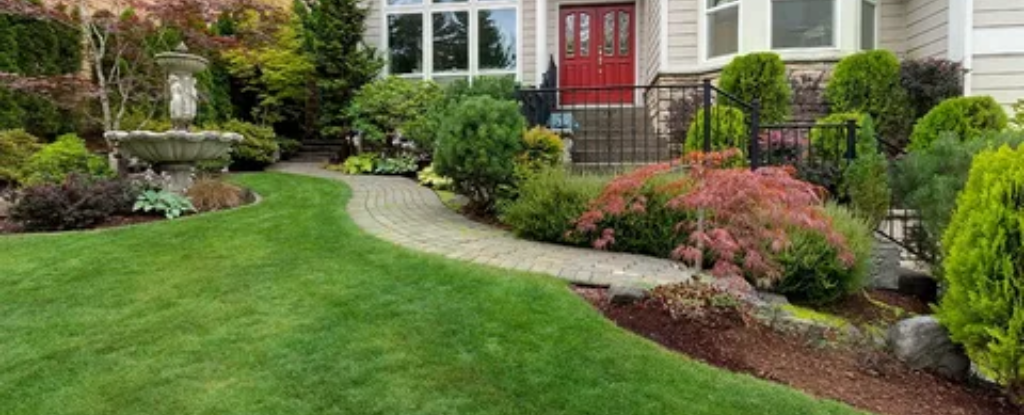
Softscaping refers to all the horticultural components in landscape design plants, grass, soil, flowers, hedges, and trees. Unlike hardscaping (which includes patios, walls, or pathways), softscaping adds life, movement, and natural balance to outdoor spaces.
Why it matters:
Softscaping goes far beyond beautification. The right plants can reduce stress, filter pollution, lower ground temperatures, and transform any area into a green oasis. In urban environments faced with rising temperatures and poor air quality, softscaping becomes an eco-friendly solution to environmental challenges.
2. How Softscaping Boosts Air Quality
Plants are natural air filters. They absorb carbon dioxide and release oxygen a simple but essential process that improves the surrounding atmosphere. But the benefits don’t stop at this cycle.
- Absorption of Pollutants: Certain plants like peace lilies, money plants, and spider plants can absorb harmful toxins like benzene, formaldehyde, and carbon monoxide.
- Dust and Allergen Reduction: Well-planned softscapes trap dust and help decrease airborne particles, making the air cleaner and safer to breathe.
- Improved Oxygen Levels: More plants mean more oxygen, especially in crowded urban settings.
So, whether you’re creating a home garden or a community landscape, proper softscaping literally lets you breathe easier.
3. Softscaping’s Role in Heat Reduction
Ever wondered why areas filled with greenery feel several degrees cooler? Softscaping reduces heat in multiple ways:
- Shade from Trees: Trees act as a natural umbrella, blocking direct sunlight and reducing surface temperatures.
- Evapotranspiration: Plants release water vapor during the day, cooling the air in the same way sweating cools the human body.
- Heat Island Reduction: Urban spaces absorb heat due to cement and asphalt. Softscaping breaks up these surfaces with greenery that reflects less heat and releases moisture into the air.
A well-designed softscape can reduce temperatures by up to 5-8°C, making outdoor spaces comfortable even during peak summer hours.
4. Creating the Ideal Softscape for Air & Heat Control
Not all plants offer the same benefits. For effective results:
- Choose Native Plants: They adapt better to the climate and require less water.
- Include Vertical Greenery: Vertical gardens and green walls work wonders in urban areas with limited space.
- Plant Trees Strategically: Large shade trees near windows or pathways can significantly reduce indoor and outdoor temperatures.
- Include Ground Covers: Grass, low shrubs, and creepers help lower ground temperature and prevent heat reflection.
5. The Emotional Benefits of Green Spaces
Beyond environmental benefits, softscaping nurtures mental and emotional well-being. Spending time in a well-landscaped garden reduces stress, boosts mood, and creates a sense of calm. A softscape is more than just a design; it’s a personal escape from the chaos of everyday life.
6. Why Choose Professionals for Softscaping?
While it might be tempting to DIY your outdoor dream, a professional softscaping service ensures:
- The right selection of plants based on space and environment.
- Efficient layouts that maximize cooling and air purification.
- Long-lasting results that are easy to maintain.
Also,
For those looking to transform their outdoor spaces into lush, functional, and eco-friendly environments, professional expertise makes all the difference. There are many brands offering landscaping solutions, but Green World Design stands out for its innovative and sustainable approach. From complete landscape planning to Softscaping services in Bangalore and specialized Softscape lawn services, they focus on creating nature-driven designs that not only beautify but also improve the quality of life.
Conclusion
Softscaping is more than just planting greenery; it’s a powerful tool for environmental change. When done properly, it improves air quality, lowers heat, and provides emotional relief in a fast-paced urban life. As cities continue to grow, it’s time to rethink our spaces and harness the natural power of plants.
Whether you’re redesigning your backyard or creating a corporate landscape, softscaping offers a refreshing and smart solution for a cooler, cleaner, and more sustainable future.